Full-Stack Delivery
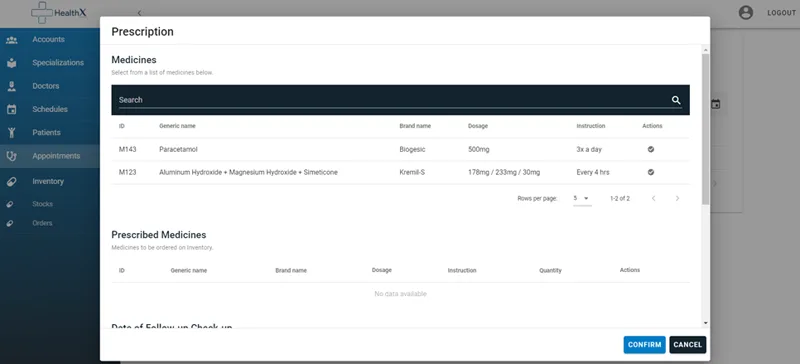
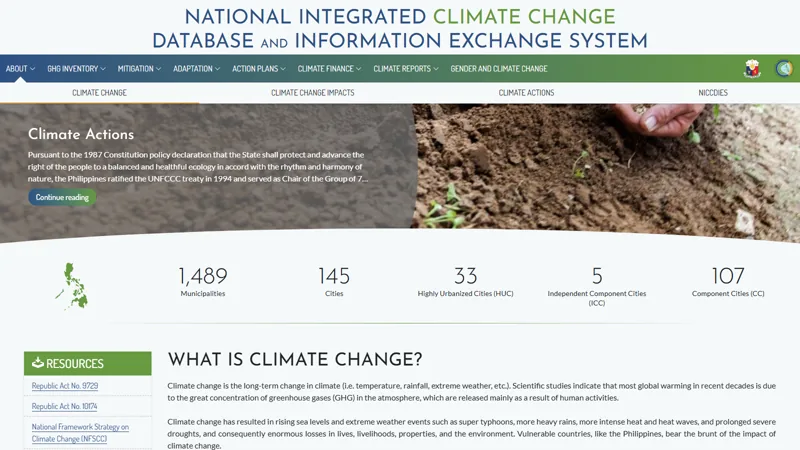
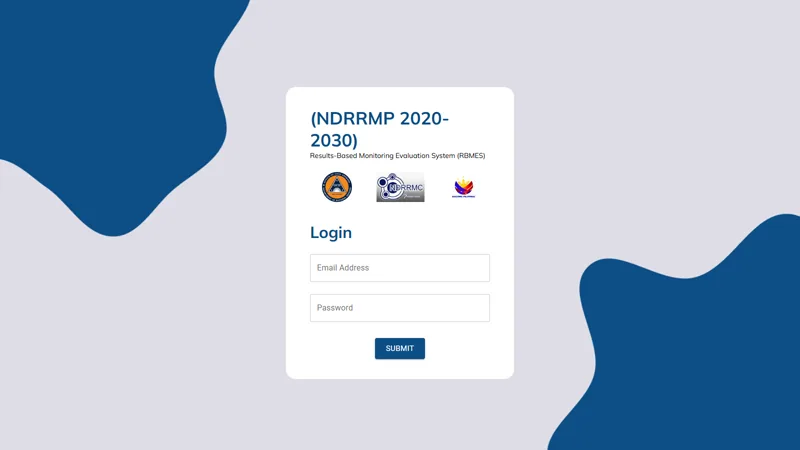
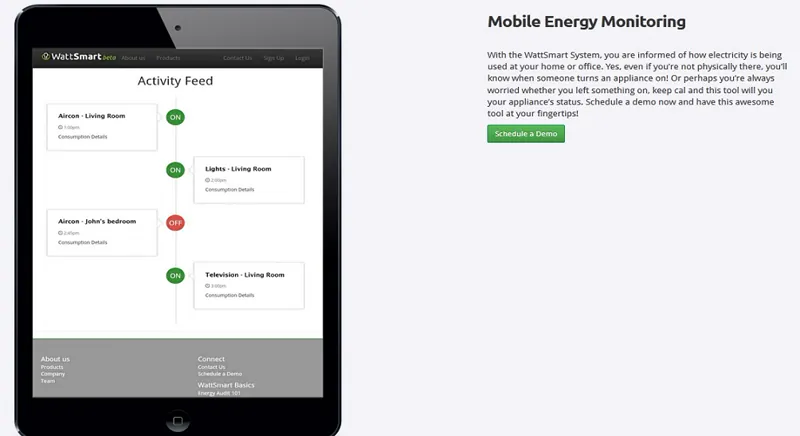
Back end and front end from the same pair of hands. Features arrive finished — schema, API, interface, and tests.

Mark Anthony Tableza
I started out building back ends because I love working with data. A decade on, I build and ship whole platforms — back end, front end, and the DevOps underneath. Available for freelance and contract work.
From the database schema to the deploy pipeline — one person accountable for the whole slice.
Back end and front end from the same pair of hands. Features arrive finished — schema, API, interface, and tests.
Headless, versioned REST APIs with token auth, queued jobs, and search — built for other teams and front ends to consume.
Containerised environments, CI pipelines, and cloud infrastructure — so deploys are repeatable instead of manual.
Splitting monoliths into services, planning migrations, and being honest about what's worth building versus buying.
I'm intrigued with the diversified needs of my clients.
What I reach for day to day. Never stop learning.

Ten years in, these are the habits that stuck.
A feature isn't done when the endpoint returns 200. I take it from schema through API and interface to a deploy that works, so nothing gets lost in a handoff between layers.
Anything done twice by hand becomes a script or a pipeline. Dockerised environments and CI mean the same build runs on my machine, on staging, and in production.
Most of a system's life is maintenance, usually by someone else. I write the documentation and the tests I'd want to inherit, and I say plainly when an approach isn't working.
Have a project in mind? Email is the quickest way to reach me.
I read everything and reply to anything that isn't a pitch.